In the recent enterprise generative AI market, the most notable shift is the emergence of actionable AI that goes beyond simple conversational interfaces to directly execute and complete actual tasks. In the past, chatbots were limited to providing text responses or performing partial functions within restricted applications. This presented fundamental limitations when trying to handle practical tasks in integration with complex legacy systems. To overcome this fragmentation in back-office operations, GenON has introduced OneAgent, a next-generation actionable AI agent that encompasses both API integration and UI manipulation.
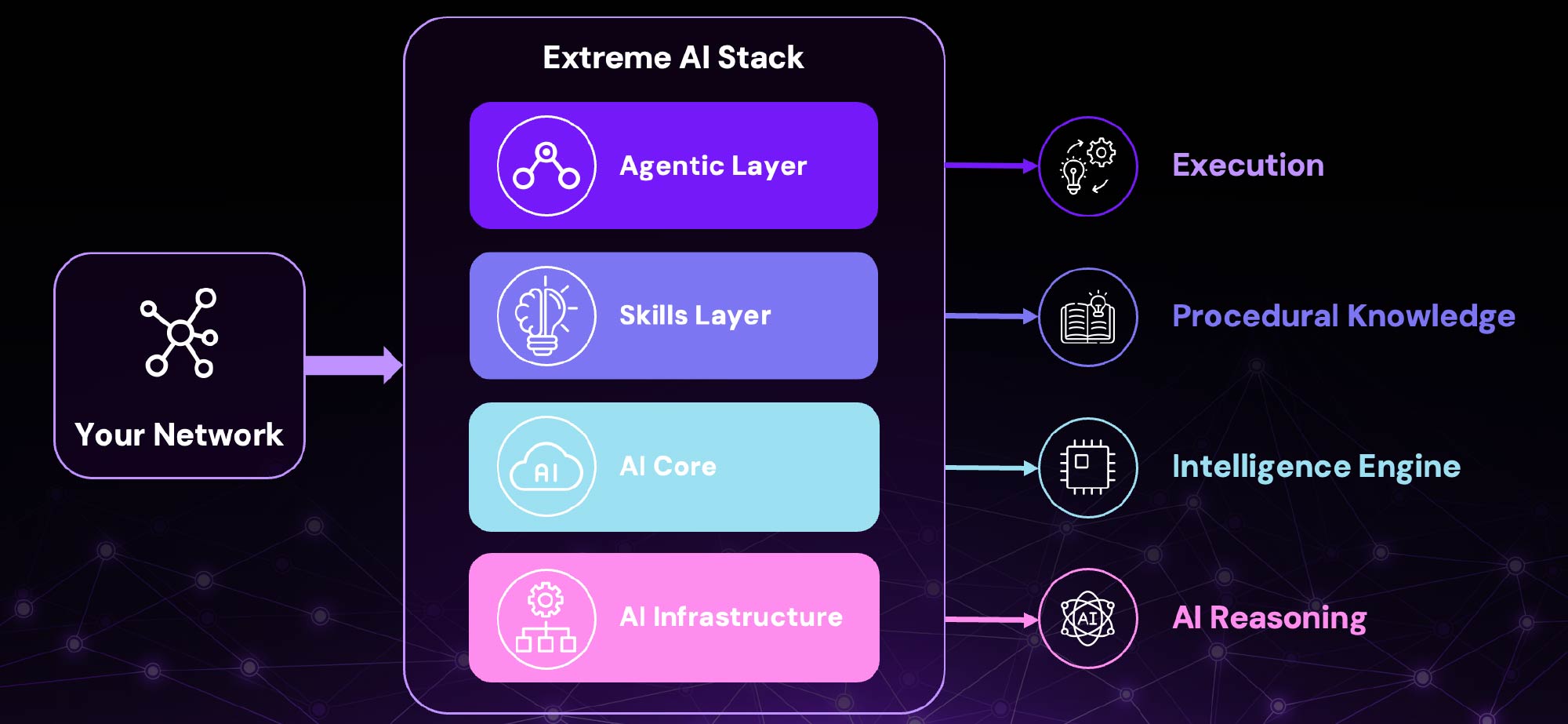
OneAgent features a powerful execution infrastructure that clearly differentiates it from traditional information-seeking chatbot interfaces. Its core browser-use capability seamlessly handles web page navigation, automatic form filling, dynamic content comprehension, and multi-step tasks without human intervention. Furthermore, through computer-use capabilities, it exerts full desktop control, manipulating file systems and automating native applications to thoroughly process complex workflows. This allows users to move beyond simple data retrieval and enjoy an innovative experience of directly accessing actual systems to complete tasks.
Based on this technological background, this article deeply analyzes the innovative value that OneAgent brings to business environments, focusing on three core pillars: autonomous monetization, operational cost reduction, and productivity innovation. The first area examined is autonomous monetization. By directly integrating with enterprise legacy systems, OneAgent automates the entire commerce loop from sales lead discovery to purchase order application and delivery inquiry. Because it performs browser control and API integration simultaneously to capture and respond to additional sales opportunities in real-time, enterprises secure the potential to generate approximately 3.8 million dollars in additional revenue annually. However, to maximize this autonomous monetization, the ecosystem of industry-specific specialized plugins must be further expanded, and autonomous market-sensing algorithms that predict customer purchasing patterns must be advanced to shorten the sales cycle.
The second area is operational cost reduction analysis. By automating repetitive form-working tasks and SAP financial accounting analysis in management support, finance, and HR departments, overall operational resources and labor costs are dramatically reduced, enabling companies to achieve approximately 2.4 million dollars in direct annual cost savings. Because it performs actual UI manipulation and file system control beyond a simple chatbot interface, back-office administrative costs that previously took hundreds of hours converge close to zero. Nevertheless, standardized API connectors and automated exception escalation systems must be continuously supplemented to minimize custom implementation costs and monitoring overhead for handling exception situations during initial system integration.
The third area is the 10x productivity innovation analysis. Through an actionable AI architecture capable of browser use and full desktop control, it exhibits overwhelming operational efficiency that reduces the time required for traditional manual entry and data collection tasks by over 85 percent. Complex multi-step workflows can be completed in just a few minutes thanks to multi-AI model linkage and flexible tool integration based on MCP. However, to flexibly respond to various internal legacy environment versions and fundamentally prevent malfunctions caused by hallucinations, real-time validation layers and self-healing mechanisms must be further technically reinforced.
Looking at industry-specific utilization scenarios, the versatility and practical effectiveness of OneAgent become even more prominent. In management support, finance, and HR, vacation requests, meeting room reservations, expense and business trip applications, and SAP financial accounting analysis are automated, reducing repetitive paperwork while maximizing business automation rates and productivity. In manufacturing and distribution, sales performance monitoring, demand forecasting, inventory inquiry, order application, and delivery inquiry expand additional sales opportunities while drastically cutting inventory management costs and ordering times. In finance and investment, market sensing, event correlation analysis, future impact simulation, and analysis report generation reduce data collection and document writing times while increasing work concentration. In public administration and governance, it is widely applied to civilian complaint reception and consultation automation, administrative task application and processing automation, and anomaly detection.
Taken together, OneAgent transcends the limitations of simple question-and-answer chatbots as a true actionable AI solution encompassing actual UI manipulation and API integration, building a unique technological moat in the enterprise AI market. Proving actual task completion and multi-step task processing capabilities amidst a red ocean of numerous general-purpose chatbots acts as a powerful investment attraction for C-level executives. If thorough security certification reinforcement and industry-specific customized scenario advancement continue in the future, it will establish itself as the standard in the enterprise automation market. If you want to directly experience this powerful AI agent that will bring substantial innovation to your business, please visit the official live service page at
https://www.genon.ai/solutions/oneagent to check out the details.